 English

The Environmental and Sustainable Future of Automatic Packaging Machine
Foshan Shunde Dustrial Machinery Co., Ltd. provides high-quality Automatic Packaging Machine. The most direct contribution of this kind of packaging machine to sustainability is source reduction—using the absolute minimum amount of material required to effectively protect a product. Automatic machines are masterful at this. Through their accuracy, they ensure that every package uses the optimal amount of plastic, paper, or metal, with virtually no excess.
The conversation around packaging in the 21st century is inextricably linked to its environmental impact. As public awareness and regulatory pressures regarding plastic waste and carbon footprints intensify, the packaging industry faces a monumental challenge. In this context, automatic packaging machines are often viewed with skepticism, accused of enabling a culture of single-use disposables. However, a more nuanced examination reveals that these very machines are, in fact, pivotal enablers of the sustainable packaging revolution. Their precision, adaptability, and efficiency are critical for implementing the core principles of the circular economy: reducing material usage, facilitating recycling, and enabling the adoption of novel, eco-friendly materials.
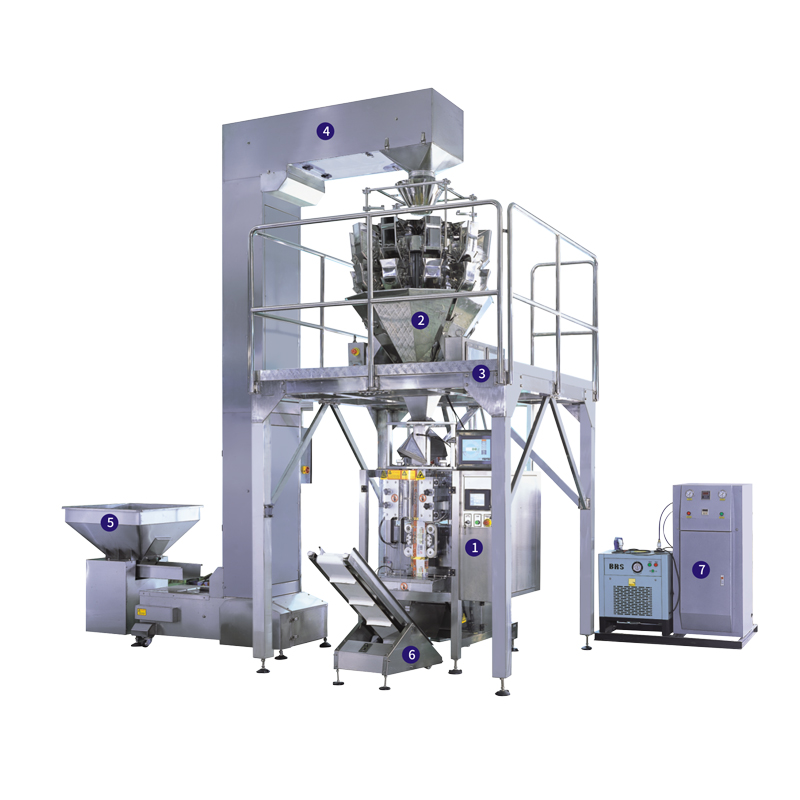
Automatic machines are masterful at this sustainability field. Through their accuracy, they ensure that every package is good with virtually no excess. Advanced form-fill-seal machines can create packages with seals that are just as strong but use less material, and can produce lightweight, right-sized packages that eliminate dead air space. This precision directly translates into a smaller environmental footprint for each unit produced. When multiplied across billions of units, the reduction in raw material consumption, energy used in material production, and waste destined for landfills is immense. Manual processes, with their inherent variability, cannot achieve this level of consistent minimization.
Furthermore, the modern packaging line is a key player in the waste hierarchy's top tiers: reuse and recycling. Machines are now being designed to handle reusable packaging formats, such as refillable containers, which require precise washing, inspection, and refilling—tasks perfectly suited for automation. More importantly, as packaging moves towards mono-materials (which are easier to recycle) and away from complex, multi-layered laminates, automatic machines are essential for processing these new materials. Many bio-based, compostable, or paper-based alternatives have different handling, forming, and sealing characteristics than conventional plastics. The adaptability of next-generation packaging machines allows manufacturers to switch to these greener materials without sacrificing speed or package integrity. The machines can be recalibrated with new temperature settings for sealing bio-plastics or adjusted to handle the different tensile strengths of recycled paperboard.
Finally, the efficiency of automatic packaging machines contributes to sustainability on a macro level. By maximizing throughput and minimizing energy consumption per unit produced, they lower the overall carbon footprint of the manufacturing process. Smart machines can optimize their own energy use, going into low-power standby modes during brief pauses. The reduction in product waste—through spoilage caused by poor seals or through filling inaccuracies—also represents a significant saving of the energy and resources that went into producing that wasted product. In essence, the path to sustainable packaging is not a choice between automation and the environment, but a path where advanced automation is the essential facilitator. It is the technological foundation that will allow industry to meet its economic objectives while fulfilling its growing responsibility to the planet, ensuring that the protection of the product does not come at the cost of the environment.
Send Inquiry



X
We use cookies to offer you a better browsing experience, analyze site traffic and personalize content. By using this site, you agree to our use of cookies.
Privacy Policy